Petrol and Diesel Prices on April 3: What the West Asia Crisis Means for the Auto Sector

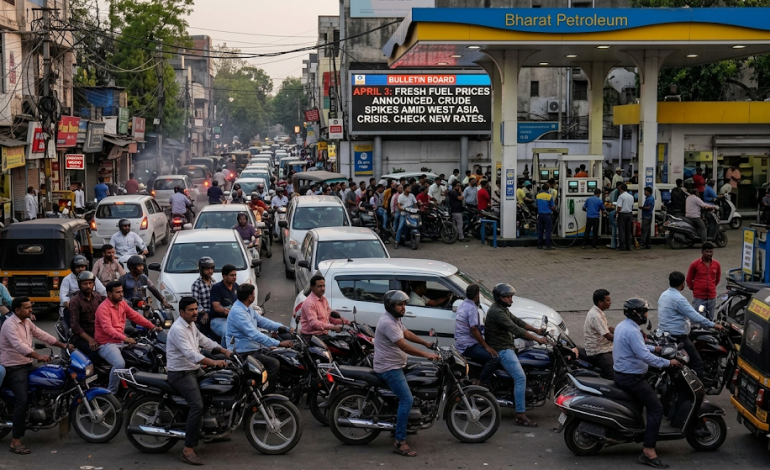
Global energy markets are experiencing high volatility due to the ongoing crisis in West Asia. Brent crude oil prices have surged amid escalating geopolitical tensions. However, Indian consumers are receiving temporary relief as standard retail petrol and diesel prices remain unchanged across the country today, April 3.
While state-run oil marketing companies are bearing the brunt of under-recoveries to shield standard fuel buyers, premium-grade fuels and industrial diesel have seen notable price hikes.
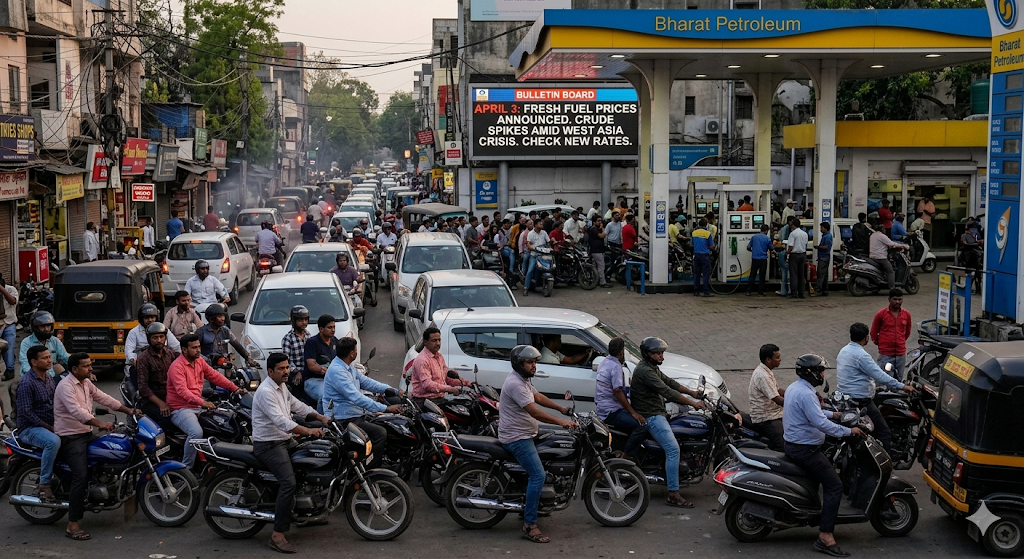
Fuel Rates in Major Cities (April 3)
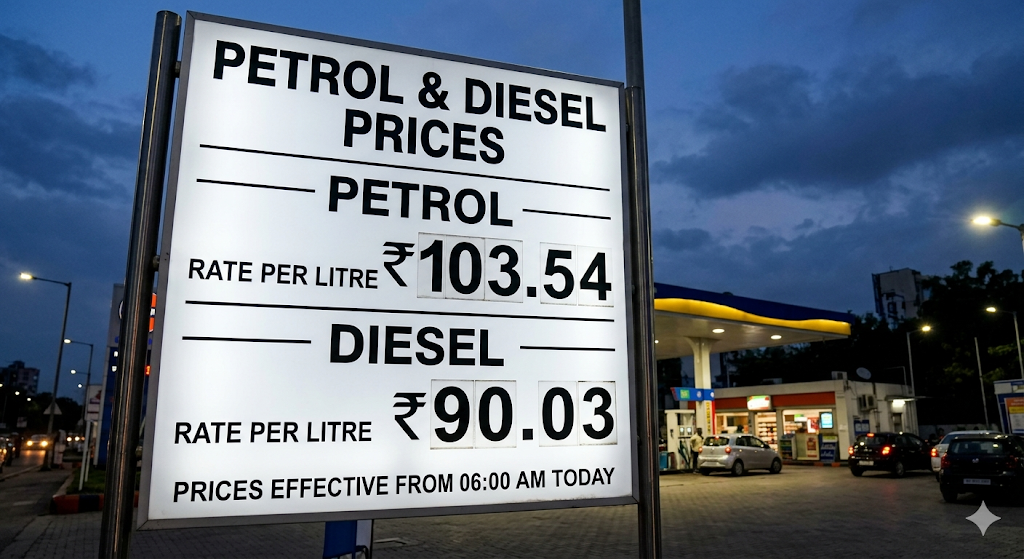
The prices for standard regular petrol and diesel remain steady. Here is a quick look at the rates across major cities today:
- Delhi: Petrol Rs 94.77/L | Diesel Rs 87.67/L
- Gurgaon: Petrol Rs 95.36/L | Diesel Rs 87.83/L
- Mumbai: Petrol Rs 103.54/L | Diesel Rs 90.03/L
- Kolkata: Petrol Rs 105.41/L | Diesel Rs 92.02/L
- Chennai: Petrol Rs 101.23/L | Diesel Rs 92.81/L
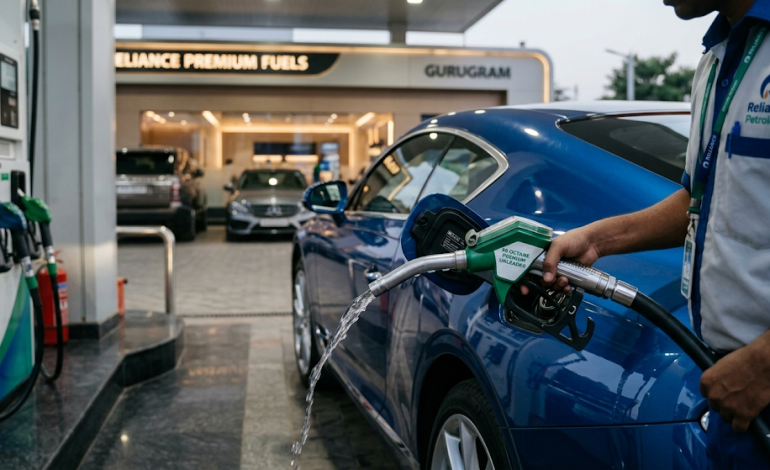
(Note: Premium high-octane petrol variants like XP100 have increased to Rs 160 per litre in Delhi).

The Ripple Effect on the Automobile Sector
The current geopolitical climate and its influence on fuel pricing have several direct implications for the Indian automobile industry:
1. Buyer Sentiment and Running Costs The government’s decision to keep standard fuel rates capped provides a buffer for the average consumer. For prospective buyers eyeing popular, volume-driving SUVs like the Maruti Suzuki Brezza, Hyundai Venue, or Kia Seltos, this stability means estimated daily running costs remain predictable for now. Consistent fuel prices help keep showroom footfalls steady in the budget and mid-range segments.
2. Impact on the Premium and Luxury Segment While regular fuel is capped, the hike in premium fuels directly impacts the luxury and performance car market. Owners of high-end vehicles that require high-octane fuel to maintain engine efficiency are currently absorbing a noticeable increase in running costs.
3. Accelerated Shift to EVs and CNG The underlying threat of crude oil pricing serves as a strong psychological trigger for buyers. Even if pump prices are currently stable, global uncertainty pushes more consumers to future-proof their garages. This accelerates the ongoing consumer shift toward Electric Vehicles (EVs) and factory-fitted CNG models, prompting automakers to speed up their alternative fuel launch pipelines.
4. Freight and Logistics Pressures A sharp price hike in industrial diesel affects manufacturing and supply chains. If automotive manufacturers face higher logistics costs for transporting raw materials and finished vehicles, those expenses may eventually be passed down to the consumer through vehicle price hikes later in the year.