Stop at the Pump Less: Your Guide to get Better Mileage

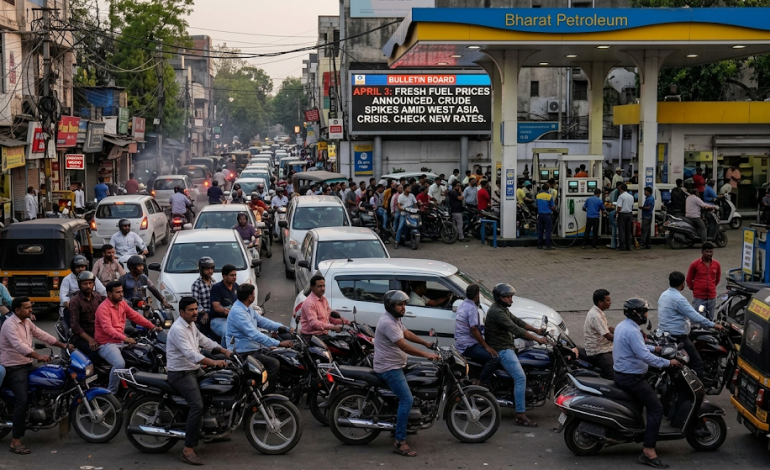
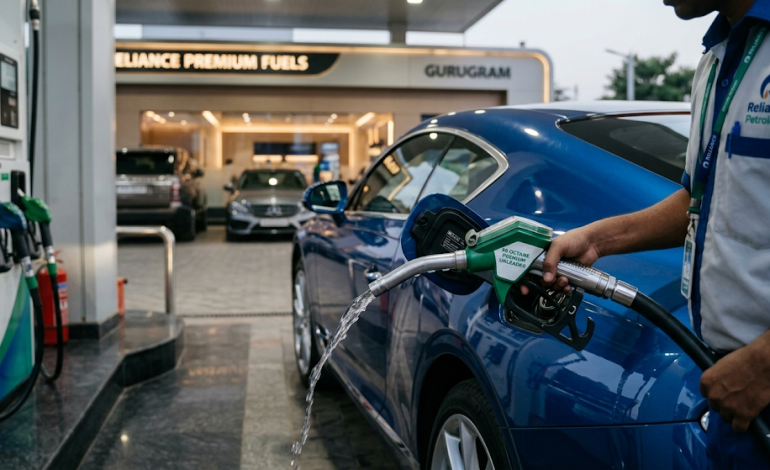
Let’s face it: watching the numbers spin on a gas pump is rarely a fun experience. Whether you are commuting to the office, running daily errands, or gearing up for a road trip, fuel costs add up quickly. But what if you could train your car—and your driving habits—to stretch every drop of fuel a little further? We are here to give you better advice to get better mileage.
GET BETTER MILEAGE
Let’s face it: watching the numbers spin on a gas pump is rarely a fun experience. Whether you are commuting to the office, running daily errands, or gearing up for a road trip, fuel costs add up quickly. But what if you could train your car—and your driving habits—to stretch every drop of fuel a little further?
It all comes down to mastering your mileage.
What Exactly is Mileage? How to get better mileage?
In the simplest terms, mileage (often referred to as fuel economy or fuel efficiency) is a measurement of how far your vehicle can travel on a specific amount of fuel.
Depending on where you live, it is usually measured in kilometres per litre (km/l) or miles per gallon (mpg). If your car gets 15 km/l, it means you can drive 15 kilometres before burning through one litre of fuel.
Higher mileage means higher efficiency. It translates directly to fewer trips to the gas station, more money in your wallet, and a smaller carbon footprint for the environment. While the exact baseline of your mileage is determined by your car’s engine size, weight, and aerodynamics, how you drive plays a massive role in the final number.
The Art of the Daily Drive: 6 Ways to Boost Your Mileage
You don’t need to buy a brand-new hybrid to start saving at the pump. By tweaking a few daily habits, you can significantly improve your current vehicle’s fuel efficiency. Here is how to do it:
1. Treat the Pedals Like Eggshells. Aggressive driving is the enemy of fuel economy. Jackrabbit starts at green lights and hard braking at stop signs burns unnecessary fuel. Instead, accelerate smoothly and anticipate stops well in advance so you can coast to a halt. Smooth driving is not only safer, but it can improve your mileage by up to 20%.
2. Check Your Car’s “Shoes” Driving on under-inflated tyres is like trying to ride a bicycle with flat tyres; it requires significantly more energy to move. Check your tyre pressure at least once a month and keep them inflated to the manufacturer’s recommended levels (found on the sticker inside the driver’s side door).
3. Drop the Dead Weight. Your car is not a storage unit! The heavier your vehicle, the harder the engine has to work to pull it forward. Clear out those golf clubs, heavy tools, or boxes of donations you have been meaning to drop off. Every extra 50 kilograms can reduce your fuel economy by 1-2%.
4. Be Smart with the A/C Air conditioning puts an extra load on your engine, which burns more fuel. However, driving with the windows down at high speeds creates aerodynamic drag, which also burns more fuel. The golden rule? Roll the windows down at lower city speeds, but roll them up and use the A/C when cruising on the highway.
5. Find Your Cruising Speed Most cars hit their peak fuel efficiency between 80 km/h and 100 km/h (50 to 60 mph). Once you push past that, aerodynamic drag increases exponentially, causing your fuel economy to plummet. Stick to the speed limit and use cruise control on flat highways to maintain a steady, fuel-sipping pace.
6. Don’t Skip Maintenance Day. A healthy car is an efficient car. Simple things like replacing dirty air filters, using the correct grade of motor oil, and ensuring your spark plugs are firing correctly can make a noticeable difference. If your engine is struggling to breathe or combust, it will drink more fuel to compensate.
OUR SUGGESTION–
Improving your mileage isn’t about learning magic tricks; it is about simple physics and mindful driving. By driving smoothly, maintaining your vehicle, and shedding excess weight, you can easily outsmart the gas pump and keep more money in your pocket.
Let’s face it: watching the numbers spin on a gas pump is rarely a fun experience. Whether you are commuting to the office, running daily errands, or gearing up for a road trip, fuel costs add up quickly. But what if you could train your car—and your driving habits—to stretch every drop of fuel a little further?